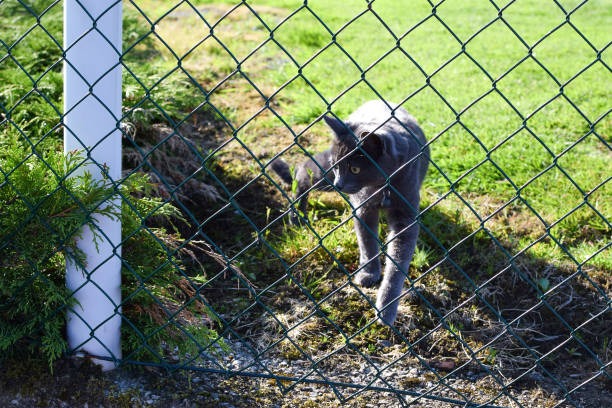

Fencing is a fundamental aspect of home and property ownership. It provides security, privacy, and can even add aesthetic value to the property. However, like any other construction project, fencing has an environmental impact that should be considered before making a choice.
The type of material used for fencing plays a significant role in determining its environmental impact. Traditional materials such as wood and metal have different ecological footprints. Wood fences may contribute to deforestation if not sourced sustainably, while metal fences often require large amounts of energy for production and can lead to pollution due to mining activities.
Moreover, the longevity and maintenance requirements of these materials also affect their environmental footprint. dive in for more instance, wood fences require regular treatment with chemical preservatives to prevent rotting which can harm local ecosystems if not managed properly. On the other hand, metal fences are long-lasting but their production process emits greenhouse gases contributing to climate change.
In contrast, eco-friendly alternatives such as bamboo or composite fencing offer sustainable solutions without compromising on functionality or aesthetics. Bamboo grows rapidly compared to traditional trees used for lumber making it a renewable resource with less impact on deforestation. Composite fencing made from recycled plastic and wood waste is another green option reducing landfill waste while providing durability similar to traditional materials.
The installation process also influences the environmental impact of fencing. Traditional methods involve digging holes in the ground which disrupts soil ecosystems and can cause erosion especially on slopes or near water bodies. Modern techniques like post pounding are more environmentally friendly causing minimal disturbance to soil structures while ensuring strong fence support.
Additionally, transportation associated with acquiring materials contributes significantly towards carbon emissions linked with global warming. Opting for locally sourced materials reduces this carbon footprint by minimizing transport distances involved in delivering supplies from producers to consumers.
It’s essential too that homeowners consider end-of-life disposal when choosing their fence material since improper disposal can lead to pollution affecting both terrestrial and aquatic ecosystems negatively.
In conclusion, every choice we make has an environmental impact, and this includes the type of fencing we choose for our properties. Therefore, it is crucial to consider the environmental implications before making a choice. Opting for sustainable materials, using environmentally friendly installation methods, sourcing locally, and planning for proper end-of-life disposal are some ways we can reduce the environmental impact of our fences.
While these considerations may require more thought and possibly additional upfront costs compared to traditional options, they offer long-term benefits not only in terms of reduced maintenance costs but also through contributing towards a healthier planet. After all, protecting our environment is an investment in our future well-being and that of generations to come.